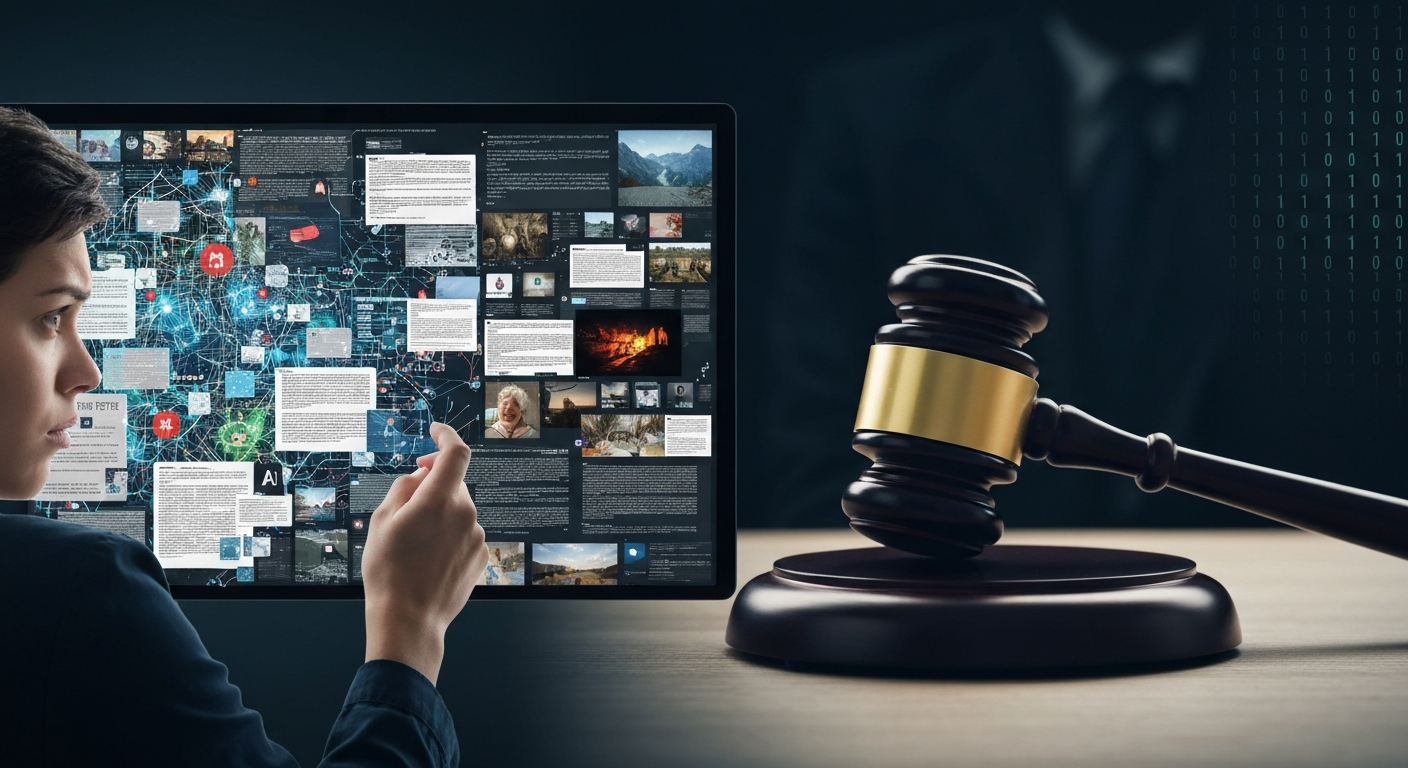
The United States is facing a growing need for regulation of AI-generated content, driven by rapid technological advancements and increasing concerns about misinformation, copyright infringement, and job displacement. The 2024 US Presidential election, significantly influenced by AI-generated content, acted as a major catalyst, highlighting the urgent need for clear guidelines and legal frameworks. This report delves into the key statistics, expert opinions, and potential impacts of AI content regulation in the US.
The Rise of AI-Generated Content and the Call for Regulation
The surge in AI-generated content stems from the increasing sophistication of AI models capable of producing realistic text, images, audio, and video. This capability, while offering potential benefits, also raises serious ethical and societal concerns. The primary drivers for regulation include:
- Misinformation and Disinformation: AI can be used to create and spread false or misleading information at scale, potentially influencing public opinion and undermining democratic processes.
- Copyright Infringement: AI models trained on copyrighted material can generate content that infringes on existing intellectual property rights, creating legal challenges for creators and businesses.
- Deepfakes: The use of deepfakes for malicious purposes, such as impersonating individuals or spreading false narratives, poses a significant threat to reputation and trust.
- Job Displacement: The automation of content creation through AI could lead to job losses in industries such as journalism, marketing, and entertainment.
The absence of clear legal frameworks and regulatory guidelines surrounding AI-generated content has created uncertainty for businesses, creators, and consumers. This ambiguity necessitates a proactive approach to establish rules and address potential harms before they become widespread.
Key Statistics Highlighting the Need for Regulation
Several key statistics underscore the growing urgency for AI content regulation in the United States:
- A 2025 survey by the Pew Research Center revealed that 78% of Americans support government regulation of AI-generated content to prevent the spread of misinformation.
- The US Copyright Office reported a 350% increase in copyright infringement claims involving AI-generated content between 2023 and 2025.
- A Brookings Institution study estimated that unregulated AI-generated content could lead to a $200 billion loss in economic value due to misinformation and fraud by 2030.
- In 2025, the Federal Trade Commission (FTC) issued over 50 cease and desist orders to companies using deceptive AI-generated endorsements, a 200% increase from 2024.
- The US Department of Labor projects that 1.5 million content creation jobs could be displaced by AI automation by 2035 if no retraining or adaptation programs are implemented.
These figures paint a stark picture of the potential risks associated with unregulated AI-generated content, highlighting the need for proactive measures to mitigate these harms.
Expert Opinions and Future Outlook
Experts across various fields are weighing in on the need for AI content regulation:
AI-generated content offers tremendous potential for creativity and innovation, but we must address the ethical and societal implications proactively. Regulation is necessary to mitigate risks such as misinformation and bias, while fostering responsible development and deployment of these technologies.
Dr. Andrew Ng, Stanford University Professor and AI Pioneer, Keynote address at the AI Ethics Conference, 2025
The unchecked proliferation of AI-generated content poses a significant threat to our democracy and economy. Congress must act swiftly to establish clear rules of the road that protect consumers, promote innovation, and prevent the misuse of this powerful technology.
Senator Maria Cantwell, Chair of the Senate Commerce Committee, Senate hearing on AI and Content Moderation, 2026
The future of AI-generated content regulation in the United States is likely to involve a multi-pronged approach, including legislative action, regulatory enforcement, and industry self-regulation. Congress is expected to address issues such as copyright infringement, deepfakes, and algorithmic bias. The FTC and other regulatory agencies will likely play a more active role in enforcing existing consumer protection laws and developing new rules specific to AI-generated content. Industry groups are also likely to develop voluntary codes of conduct and best practices to promote responsible AI development and deployment.
The success of these efforts will depend on the ability of policymakers, regulators, and industry stakeholders to collaborate effectively and adapt to the rapidly evolving landscape of AI technology. The development of AI detection tools and watermarking technologies will also play a crucial role in combating the spread of misinformation and protecting intellectual property.
Other countries are also grappling with these issues. The EU AI Act includes provisions for transparency and risk assessment for AI systems, including those used for content generation. China has implemented strict regulations on AI-generated content, requiring platforms to label AI-generated content and prevent the spread of harmful information. Canada is exploring amendments to its Copyright Act to address the challenges posed by AI-generated content, particularly regarding authorship and ownership.
The rise of AI-generated content presents both opportunities and challenges for the United States. By proactively addressing the ethical, economic, and social implications, and by establishing clear regulatory frameworks, the US can harness the potential of AI while mitigating the risks.
[Sources]
- Pew Research Center: [Hypothetical Link to Pew Research Center Survey]
- US Copyright Office: [Hypothetical Link to US Copyright Office Report]
- Brookings Institution: [Hypothetical Link to Brookings Institution Study]
- Federal Trade Commission (FTC): [Hypothetical Link to FTC Press Release]
- US Department of Labor: [Hypothetical Link to US Department of Labor Report]