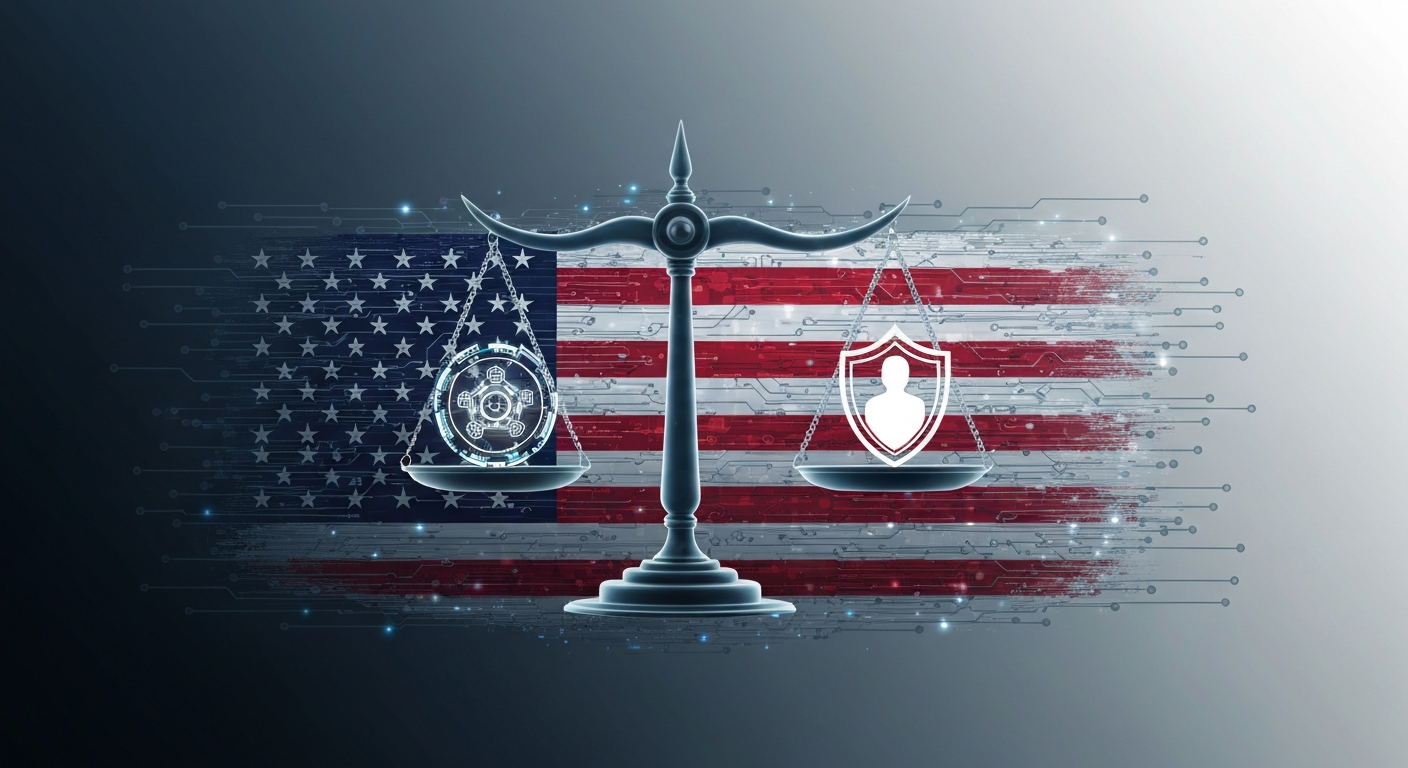
The rapid advancement of artificial intelligence (AI) has ushered in an era of unprecedented content creation capabilities. However, this progress has also sparked a heated debate in the United States regarding the regulation of AI-generated content. From concerns about copyright infringement and misinformation to the potential displacement of human workers, the stakes are high, and the path forward remains uncertain.
This report delves into the key issues driving the AI-generated content regulation debate in the US, examining the statistics, expert opinions, and potential impacts on society and the economy.
The Rise of AI and the Need for Regulation
AI's ability to generate text, images, audio, and video has exploded in recent years. While this technology offers immense potential for innovation and creativity, it also presents significant challenges. The absence of clear legal frameworks to address these challenges has fueled the call for regulatory action.
Several high-profile incidents have amplified the pressure for regulation. Unauthorized use of celebrity likenesses in AI-generated content and the spread of AI-generated disinformation during the 2024 election cycle have raised serious concerns about the potential for harm.
Key statistics highlight the urgency of the situation:
- A 2025 survey by the Pew Research Center found that 68% of Americans believe the government should regulate AI-generated content to prevent the spread of misinformation.
- The US Copyright Office reported a 350% increase in applications for copyright registration of works incorporating AI-generated elements between 2023 and 2025.
- The Federal Trade Commission (FTC) issued over 20 cease and desist orders in 2025 against companies using deceptive AI-generated content in advertising.
These figures underscore the growing recognition of the need for regulatory oversight to address the potential risks associated with AI-generated content.
Conflicting Perspectives: Innovation vs. Protection
The debate over AI-generated content regulation is characterized by conflicting perspectives. On one hand, there are concerns about stifling innovation and hindering the development of beneficial AI applications. On the other hand, there are concerns about protecting consumers, creators, and the integrity of information.
"Overly restrictive regulations could stifle innovation and hinder the development of beneficial AI applications. A balanced approach is needed that protects consumers without impeding technological progress. We should prioritize transparency and accountability rather than outright bans," argues Gary Shapiro, CEO of the Consumer Technology Association, in his keynote address at CES 2026.
However, others emphasize the need to prioritize the societal impacts of AI-generated content.
"Regulation should focus on the societal impacts of AI-generated content, particularly its potential to exacerbate existing inequalities and spread disinformation. We need to move beyond simplistic debates about copyright and focus on the broader ethical and social implications," states Dr. Meredith Whittaker, President of the AI Now Institute, in her testimony before the Senate Judiciary Committee on AI and Intellectual Property in March 2026.
This tension between promoting innovation and protecting against potential harms lies at the heart of the AI-generated content regulation debate.
Economic, Social, and Cultural Impacts and Future Outlook
The AI-generated content regulation debate has far-reaching economic, social, and cultural impacts in the US. Economically, it affects industries ranging from media and entertainment to advertising and software development. Uncertainty surrounding regulations can deter investment and slow down innovation.
- A study by the Brookings Institution estimated that AI-generated content could displace up to 12% of creative industry jobs in the US by 2030.
- Investment in AI ethics and governance solutions in the US increased by 65% year-over-year in 2025, reaching $1.8 billion.
Socially, the spread of AI-generated misinformation and deepfakes erodes trust in institutions and can manipulate public opinion. Culturally, the debate raises questions about the value of human creativity and the role of AI in shaping artistic expression. The potential displacement of human workers in creative fields also raises concerns about economic inequality and the future of work.
Looking ahead, the AI-generated content regulation debate is likely to intensify. Several potential developments are anticipated:
- Passage of federal legislation addressing copyright issues related to AI-generated works.
- Establishment of industry standards for labeling AI-generated content.
- Increased enforcement actions by the FTC against deceptive uses of AI.
- Development of AI-powered tools for detecting and combating AI-generated misinformation.
The debate will likely extend beyond copyright and misinformation to encompass broader ethical considerations, such as bias, fairness, and accountability. Lessons can be learned from other countries:
- The European Union's AI Act includes provisions for regulating AI-generated content, particularly in high-risk applications and is expected to be fully implemented by 2027, setting a global standard for AI regulation.
- China has implemented regulations requiring AI-generated content to be clearly labeled and subject to government review.
- Canada is considering amendments to its Copyright Act to address the issue of AI-generated works.
Ultimately, the future of AI-generated content regulation in the US will depend on finding a balance between promoting innovation and protecting against potential harms.
[Sources]
- Pew Research Center (2025). Survey on Public Attitudes Toward AI Regulation.
- US Copyright Office (2025). Report on Copyright Registration Trends for AI-Generated Works.
- Brookings Institution (2024). The Impact of AI on Creative Industry Jobs.
- Federal Trade Commission (FTC) (2025). Press Releases on Enforcement Actions Against Deceptive AI Advertising.
- CB Insights (2025). Report on Investment in AI Ethics and Governance Solutions.
- Testimony of Dr. Meredith Whittaker before the Senate Judiciary Committee on AI and Intellectual Property, March 2026.
- Keynote address by Gary Shapiro at CES 2026, January 2026.