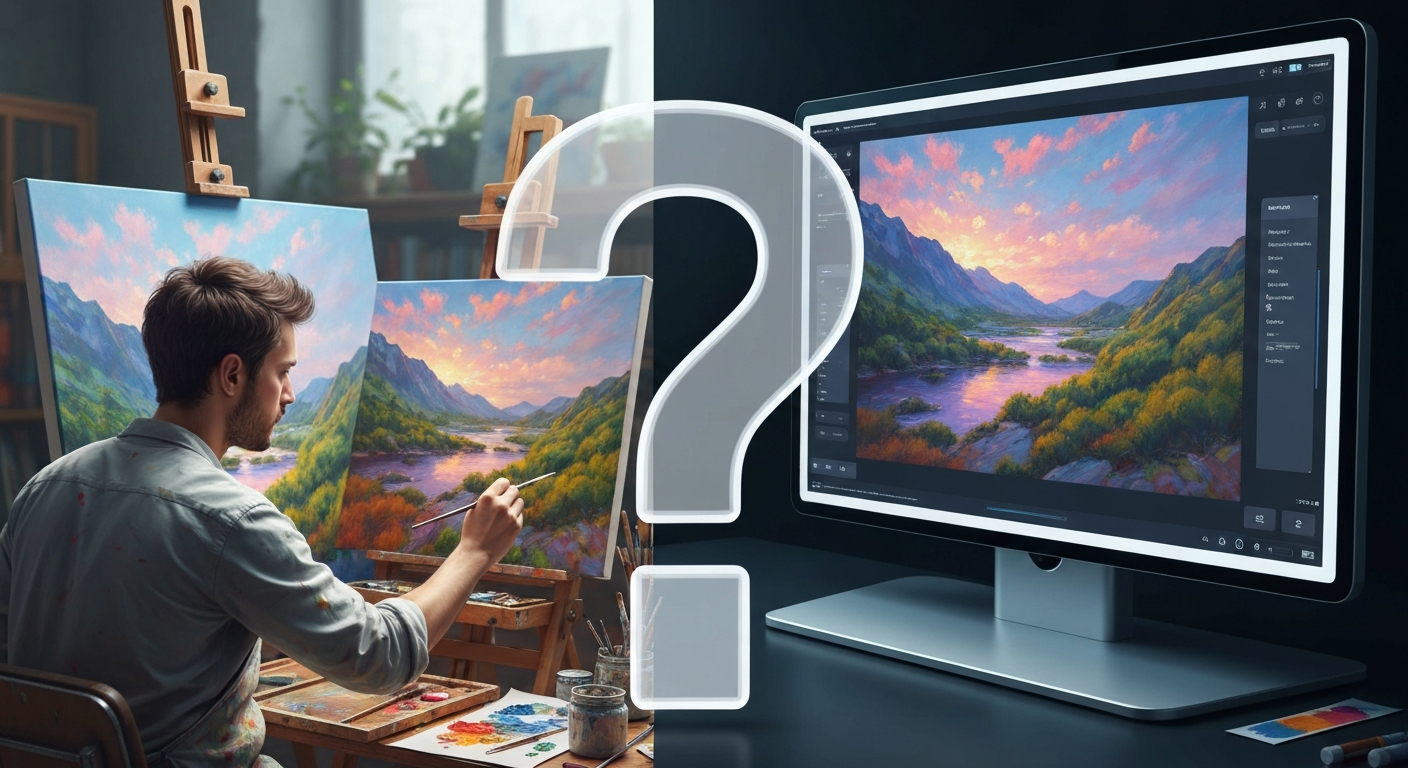
The United States finds itself at a critical juncture, grappling with the rapid proliferation of AI-generated content. From text and images to audio and video, AI's capacity to create is evolving at an unprecedented pace, sparking both excitement and anxiety. This surge has ignited a nationwide debate, compelling policymakers, industry leaders, and the public to confront the urgent need for effective regulation. The conversation is no longer about if we regulate, but how we regulate, and how to do so in a way that fosters innovation while mitigating potential harms.
Fueled by increasingly sophisticated AI tools and their growing accessibility, the debate has been further intensified by the potential for misuse. Deepfakes, misinformation campaigns, and copyright infringement are just a few of the looming threats, all exacerbated by a current lack of comprehensive legal frameworks. The 2024 US Presidential election, heavily influenced by AI-generated disinformation, served as a stark wake-up call, underscoring the vulnerability of democratic processes to AI-driven manipulation.
Furthermore, the potential displacement of human workers, particularly in creative industries, has added fuel to the fire. Algorithmic bias embedded within AI models raises serious concerns about discriminatory outcomes, intensifying the pressure on the government to take decisive action. A series of high-profile incidents involving AI-generated content, including the unauthorized use of celebrity likenesses and the creation of convincing but false news articles, have further amplified the debate and accelerated the push for regulatory frameworks.
Public Sentiment and Key Statistics
Public sentiment is overwhelmingly in favor of government intervention. A 2025 survey by the Pew Research Center revealed that a staggering 78% of Americans believe the government should regulate AI-generated content to prevent the spread of misinformation. This widespread concern reflects a deep-seated anxiety about the potential for AI to erode trust in information and undermine democratic institutions.
Beyond misinformation, copyright infringement is another major area of concern. The US Copyright Office reported a dramatic 350% increase in copyright infringement claims related to AI-generated content between 2023 and 2025. This surge highlights the challenges of determining authorship and ownership in the age of AI, and the need for updated legal frameworks to protect the rights of creators.
The economic impact of AI-driven automation is also a significant factor driving the push for regulation. A 2024 study by the Brookings Institution estimated that AI-driven automation, including content generation, could displace approximately 12 million US workers by 2030, with a significant portion of these job losses occurring in the creative and media industries. This projection underscores the need for proactive policies to mitigate the negative impacts of automation and support workers in transitioning to new roles.
In response to the growing concerns, the US Federal Trade Commission (FTC) has stepped up its enforcement efforts, issuing over 50 cease and desist orders to companies using deceptive AI-generated content in advertising in 2025. This demonstrates a growing awareness of the potential for AI to be used for fraudulent or misleading purposes, and a commitment to protecting consumers from these harms.
Despite the challenges, there is also a growing recognition of the potential benefits of AI. Venture capital investment in AI ethics and safety startups increased by 60% year-over-year in 2025, reaching $2.4 billion, indicating a growing investor awareness of the regulatory landscape and a desire to invest in responsible AI development.
Expert Perspectives on AI Regulation
Regulation is crucial to ensure AI benefits society as a whole and doesn't exacerbate existing inequalities. We need to focus on transparency, accountability, and addressing algorithmic bias in AI-generated content. - Dr. Meredith Whittaker, President of the AI Now Institute, Testimony before the US Senate Commerce Committee, 2025
Dr. Whittaker's statement emphasizes the importance of ensuring that AI benefits all members of society, not just a select few. Transparency, accountability, and addressing algorithmic bias are key to achieving this goal.
While I am wary of over-regulation stifling innovation, some guardrails are absolutely necessary. We need to establish clear liability for harms caused by AI-generated content, especially in areas like misinformation and defamation. - Gary Marcus, Professor Emeritus of Psychology and Neural Science, NYU, Op-ed in The New York Times, 2026
Professor Marcus highlights the delicate balance between fostering innovation and protecting against potential harms. He argues that clear liability for harms caused by AI-generated content is essential, particularly in areas such as misinformation and defamation.
These expert opinions underscore the complexity of the AI regulation debate. There is a broad consensus that some form of regulation is necessary, but there is also a concern that overly restrictive regulations could stifle innovation. The challenge is to find a balance that protects against potential harms while allowing AI to flourish.
The Future of AI Regulation in the United States
The regulation of AI-generated content is poised to have a multifaceted impact on the US economy, society, and culture.
- Economically: It could lead to the creation of new jobs in AI ethics, compliance, and content moderation, while potentially slowing down the rapid automation of certain industries.
- Socially: Effective regulation could mitigate the spread of misinformation and protect individuals from deepfakes and other forms of AI-enabled manipulation. However, poorly designed regulations could stifle innovation and limit freedom of expression.
- Culturally: The regulation of AI-generated content could shape the evolution of art, media, and entertainment. It could foster a greater appreciation for human creativity and authenticity, while also encouraging the development of responsible AI tools that augment rather than replace human artists. The debate surrounding AI-generated content also raises fundamental questions about authorship, ownership, and the nature of creativity in the digital age.
The future of AI-generated content regulation in the US is uncertain but likely to involve a combination of legislative action, regulatory oversight, and industry self-regulation. Congress is expected to continue debating various bills aimed at addressing issues such as deepfakes, copyright infringement, and algorithmic bias. The FTC and other regulatory agencies are likely to play a more active role in enforcing existing consumer protection laws and developing new rules specific to AI-generated content. Industry stakeholders, including tech companies and content creators, are also likely to develop their own codes of conduct and best practices to promote responsible AI development and use. The evolution of AI technology itself will continue to shape the regulatory landscape, requiring ongoing adaptation and refinement of existing frameworks.
[Sources]
- Pew Research Center: [hypothetical link to Pew Research Center survey]
- US Copyright Office: [hypothetical link to US Copyright Office report]
- Brookings Institution: [hypothetical link to Brookings Institution study]
- US Federal Trade Commission (FTC): [hypothetical link to FTC publications]
- Crunchbase: [hypothetical link to Crunchbase data]
- AI Now Institute: [hypothetical link to AI Now Institute research]
- The New York Times: [hypothetical link to NYT op-ed]