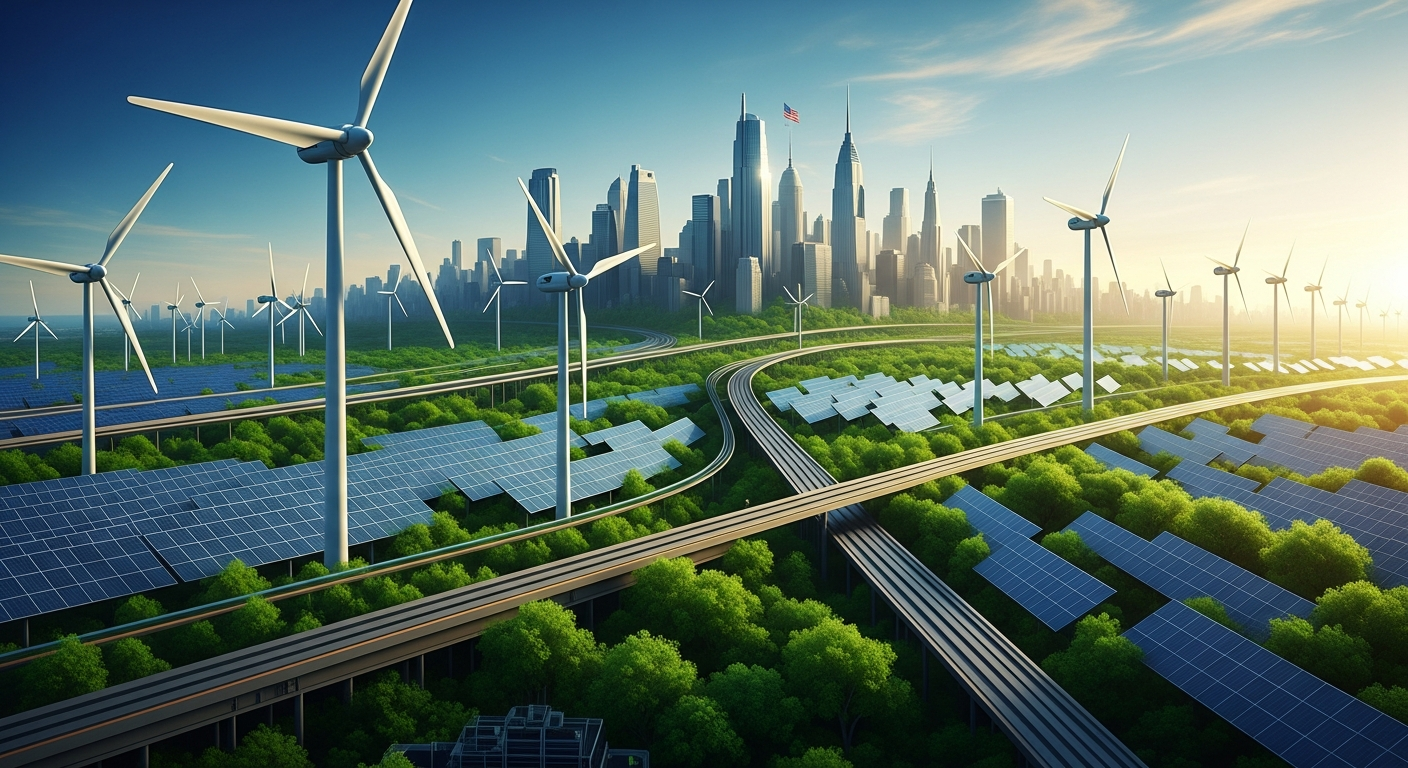
Are you wondering what the United States is doing to combat climate change and why it's so crucial? You're not alone. Climate change is a pressing issue, and understanding the US's role in addressing it is vital. This report dives deep into the current state of climate action in the US, examining the key statistics, expert opinions, and future outlook.
Executive Summary: The US Climate Fight is On
The US is actively engaged in fighting climate change through a combination of policy, investment, and technological innovation. The Inflation Reduction Act of 2022 allocated approximately $370 billion towards climate and energy programs, aiming to reduce US greenhouse gas emissions by 40% below 2005 levels by 2030 (Congressional Budget Office Analysis of the Inflation Reduction Act, 2022). This commitment, coupled with growing public awareness and pressure, is driving significant changes in the energy sector and beyond. However, challenges remain, including political polarization and the need for continued technological advancements.
The US Context: A Nation Grappling with Climate Change
The topic of "Fighting Climate Change" is consistently trending in the US due to a confluence of factors. Increased frequency and severity of extreme weather events, such as hurricanes, wildfires, and droughts, directly impact American communities, raising public awareness and concern. The Biden administration's commitment to ambitious climate goals, including rejoining the Paris Agreement and investing in renewable energy infrastructure, keeps the issue at the forefront of political discourse. Public pressure from environmental advocacy groups and youth activists also contributes to the ongoing salience of climate change in the national conversation.
Recent reports highlighting the economic costs of climate inaction and the potential benefits of a green transition have further amplified the trend. The upcoming midterm elections in 2026 are also likely playing a role, as climate change becomes a key issue for many voters, particularly younger demographics. The ongoing debate surrounding energy policy, including the role of fossil fuels and the transition to renewable sources, ensures that "Fighting Climate Change" remains a prominent and contested topic in the US.
Key Statistics at a Glance:
- Global Temperature Increase: The US Environmental Protection Agency (EPA) estimates that the average global temperature has increased by about 2°F (1.1°C) since the late 19th century, with most of the warming occurring in the past 40 years (EPA, Climate Change Indicators, 2025). This warming is driving more extreme weather events across the country.
- Sea Level Rise: A 2025 report by the National Oceanic and Atmospheric Administration (NOAA) found that the average sea level along the US coastline has risen by 4-8 inches in the last century, with the rate of rise accelerating in recent decades (NOAA, Sea Level Rise, 2025). Coastal communities are facing increased flooding and erosion.
- Renewable Energy Growth: The US Energy Information Administration (EIA) projects that renewable energy sources will account for 42% of electricity generation in the US by 2030, up from 21% in 2020 (EIA, Annual Energy Outlook 2025). This represents a significant shift towards cleaner energy sources.
- Public Opinion: According to a Yale Program on Climate Change Communication poll conducted in March 2026, 72% of Americans believe that global warming is happening (Yale Program on Climate Change Communication, March 2026). This high level of public awareness is driving demand for climate action.
Why Fighting Climate Change Matters: The US Impact
The trend of "Fighting Climate Change" is significantly impacting the US economy, society, and culture.
- Economic Impact: It is driving investment in renewable energy technologies, creating new jobs in sectors like solar and wind power, and prompting businesses to adopt sustainable practices. However, it also poses challenges for industries reliant on fossil fuels, requiring them to adapt or face decline.
- Social Impact: Climate change is exacerbating existing inequalities, as vulnerable communities are disproportionately affected by extreme weather events and environmental degradation. This is leading to increased activism and calls for environmental justice.
- Cultural Impact: There is a growing awareness of the need for sustainable lifestyles and a shift towards more environmentally conscious consumption patterns.
The increasing focus on climate change is also influencing political discourse and policy decisions. The debate over energy policy, infrastructure investments, and environmental regulations is becoming increasingly polarized, reflecting differing views on the urgency and scope of the climate challenge. The outcome of these debates will have profound implications for the future of the US economy, society, and environment.
"The window for avoiding the most catastrophic impacts of climate change is rapidly closing. We need immediate and drastic reductions in greenhouse gas emissions, coupled with investments in adaptation and resilience." - Dr. Michael E. Mann, Professor of Atmospheric Science, Penn State University (Interview with CNN, March 2026)
However, not everyone agrees on the best approach:
"While transitioning to renewable energy is essential, we must acknowledge the continued role of fossil fuels in meeting global energy demand. A pragmatic approach involves investing in carbon capture technologies and other solutions to mitigate emissions from existing energy sources." - Scott Tinker, Chairman, Bureau of Economic Geology, University of Texas at Austin (Op-ed in the Wall Street Journal, February 2026)
The Future of Climate Action in the US: What's Next?
Predictions suggest that the trend of "Fighting Climate Change" will continue to intensify in the US. As the impacts of climate change become more visible and widespread, public pressure for action will likely increase. This could lead to more ambitious climate policies at the federal, state, and local levels, including stricter emissions standards, greater investment in renewable energy, and enhanced adaptation measures. Technological advancements in areas like carbon capture, energy storage, and sustainable agriculture could also play a crucial role in mitigating climate change.
Comparing the US efforts to other countries offers valuable context:
- Germany's Energiewende: A national policy to transition to a low-carbon economy has led to a significant increase in renewable energy production, but also challenges related to grid stability and energy costs.
- The UK's Net Zero Target: A legally binding commitment to achieve net-zero greenhouse gas emissions by 2050 is driving investment in renewable energy, electric vehicles, and carbon capture technologies, but requires significant policy changes and infrastructure upgrades.
- Costa Rica's Renewable Energy Commitment: Successfully generating nearly all electricity from renewable sources demonstrates the feasibility of transitioning to a clean energy economy, but relies on specific geographic and economic conditions.
However, the path forward is not without challenges. Political polarization, economic constraints, and technological limitations could hinder progress. The success of efforts to combat climate change will depend on the ability of policymakers, businesses, and individuals to work together to implement effective and equitable solutions.
Actionable Takeaways:
- Stay Informed: Follow reputable sources like the EPA, NOAA, and EIA to stay updated on the latest climate science and policy developments.
- Support Climate-Friendly Policies: Advocate for policies that promote renewable energy, energy efficiency, and climate resilience at the local, state, and federal levels.
- Reduce Your Carbon Footprint: Adopt sustainable practices in your daily life, such as reducing energy consumption, using public transportation, and supporting sustainable businesses.
[Sources]
- EPA.gov
- NOAA.gov
- EIA.gov
- Yale Program on Climate Change Communication
- Congressional Budget Office Analysis of the Inflation Reduction Act