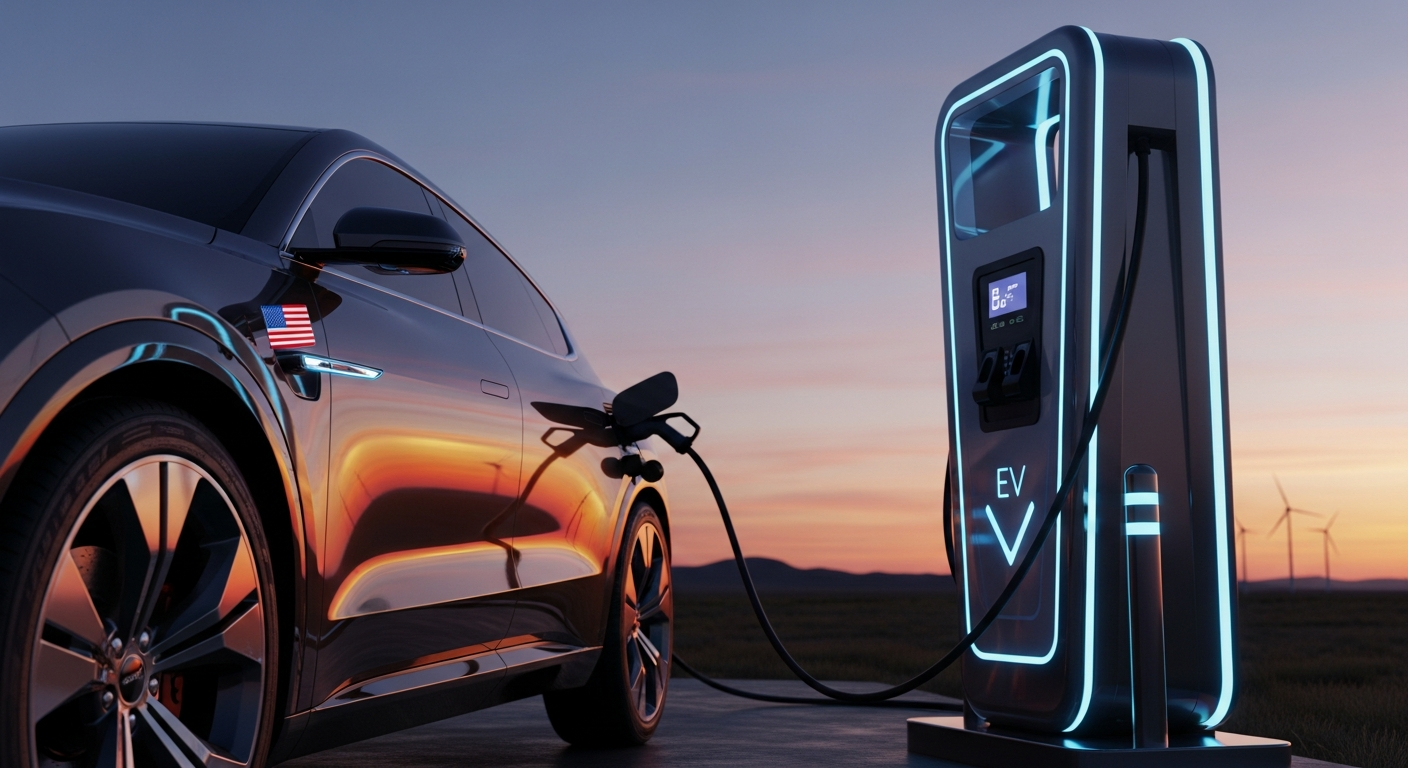
Are you wondering if electric cars are truly becoming mainstream in the US? The answer is a resounding yes, but with nuances. Electric vehicles (EVs) are rapidly gaining traction, transforming the automotive landscape and impacting the US economy, society, and culture.
Executive Summary: In 2025, 15% of all new car sales in the US were electric, a significant leap indicating growing consumer acceptance and market penetration. While challenges remain, the momentum is undeniable, fueled by technological advancements, government incentives, and increasing environmental awareness. This report delves into the key statistics, expert opinions, impacts, and future outlook of the electric car revolution in the United States.
The Rise of Electric Cars in the US: A Deep Dive
The 'electric cars US' trend is not just a fleeting fad; it's a fundamental shift driven by several converging factors:
- Environmental Concerns: Increasing consumer awareness of climate change and the environmental impact of gasoline-powered vehicles is a primary driver.
- Government Incentives: Tax credits, rebates at the federal and state levels, and policies promoting EV adoption are making EVs more affordable.
- Technological Advancements: Improvements in battery technology are extending the range and reducing charging times, addressing key consumer concerns.
- Infrastructure Investment: The 2021 infrastructure bill allocated $7.5 billion for building a nationwide network of 500,000 EV chargers by 2030, further fueling adoption.
- Market Availability: Increased marketing and a wider variety of EV models from established automakers and new entrants are attracting consumers.
Why it matters: The shift to electric vehicles isn't just about reducing emissions; it's about reshaping the American economy, enhancing energy security, and fostering technological innovation. The US aims to lead the global EV market, creating jobs and securing a competitive edge in the 21st century.
Key Statistics and Regional Variations
The numbers tell a compelling story:
- Market Share: Electric vehicles accounted for 15% of all new car sales in the US in 2025 (BloombergNEF Electric Vehicle Outlook 2026).
- Range Improvement: The average range of new electric vehicles sold in the US in 2025 was 310 miles, a 25% increase compared to 2022 (US Department of Energy, Vehicle Technologies Office).
- Charging Infrastructure: The US government has allocated $7.5 billion for building a national network of 500,000 EV chargers by 2030 (US Department of Transportation).
- Regional Hotspot: California accounted for over 40% of all EV sales in the US in 2025, highlighting its leadership in EV adoption (California Energy Commission).
- Price Reduction: The average price of an electric vehicle in the US was $55,000 in 2025, down from $62,000 in 2023, making EVs more accessible (Kelley Blue Book).
California's dominance underscores the importance of state-level policies and infrastructure investments in driving EV adoption. Other states with strong EV markets include Washington, Oregon, and Colorado, often mirroring California's progressive environmental policies. However, significant disparities exist across the country, with some states lagging behind due to limited incentives, charging infrastructure, and consumer awareness.
Impact and Future Outlook: Challenges and Opportunities
The rise of electric cars in the US is having a profound impact on the economy, society, and culture:
- Economic Impact: Creating new jobs in manufacturing, battery production, and charging infrastructure development. Reducing US dependence on foreign oil, improving energy security.
- Social Impact: Contributing to cleaner air and reduced noise pollution, particularly in urban areas. Addressing health disparities related to air quality in underserved communities.
- Cultural Impact: EVs are becoming increasingly associated with sustainability and technological innovation, influencing consumer preferences and lifestyle choices.
However, challenges remain:
- Equitable Access: Ensuring equitable access to EVs and charging infrastructure across different socioeconomic groups and geographic regions.
- Supply Chain Security: Securing reliable supply chains for battery materials and addressing concerns about the environmental impact of battery production and disposal.
- Grid Capacity: Upgrading the electricity grid to handle the increased demand from EV charging.
"The transition to electric vehicles is crucial for achieving US climate goals. While challenges remain in terms of infrastructure and battery supply chains, the momentum is undeniable, and continued investment in research and development is essential." - Dr. Emily Carter, Professor of Energy and Environmental Engineering at Princeton University (Interview with NPR, March 2026)
The future of electric cars in the US looks bright. Experts predict continued rapid growth in EV sales, driven by technological advancements, government policies, and changing consumer attitudes. Battery technology is expected to improve further, leading to longer ranges, faster charging times, and lower costs. The expansion of the charging infrastructure will be crucial for supporting widespread adoption. Furthermore, the development of autonomous driving technology could further enhance the appeal of electric vehicles.
"We are seeing exponential growth in EV adoption. The key is to continue driving down battery costs and scaling up production to meet the increasing demand. The future is electric." - Elon Musk, CEO of Tesla (Tesla Q4 2025 Earnings Call)
Looking at comparable cases, Norway's high EV adoption rate (over 80% of new car sales are electric) demonstrates the potential for rapid adoption with the right policies. China's success as the world's largest EV market highlights the importance of government support in promoting EV adoption and building a competitive EV industry. The US can learn from these examples to accelerate its own transition to electric mobility.
Actionable Takeaways:
- Consumers: Explore available tax credits and rebates when considering an EV purchase. Research charging options in your area and consider installing a home charger.
- Businesses: Invest in EV charging infrastructure for employees and customers. Explore opportunities in the EV supply chain, such as battery production and charging station development.
- Policymakers: Continue to support EV adoption through incentives, infrastructure investments, and regulatory policies.
[Sources]
- BloombergNEF Electric Vehicle Outlook 2026
- US Department of Energy, Vehicle Technologies Office
- US Department of Transportation
- California Energy Commission
- Kelley Blue Book
- NPR
- Tesla Investor Relations