Green Energy UK 🇬🇧: Powering the Future or Falling Behind?
Are you wondering if the UK is truly committed to its green energy goals? With increasing pressure to meet Net Zero targets and concerns about energy security, understanding the current state and future prospects of green energy in the UK is more important than ever. This deep dive explores the progress, challenges, and opportunities within the UK's green energy sector, providing you with the insights you need.
Executive Summary: The UK is making significant strides in green energy, with 48% of its electricity generated from renewable sources in 2025 (Department for Energy Security and Net Zero (DESNZ), UK Energy Statistics, 2026). However, experts caution that the pace needs to accelerate to meet the ambitious Net Zero by 2050 target. While investments are increasing and technological advancements are promising, streamlining planning processes and addressing grid infrastructure limitations remain critical challenges.
The Rise of Renewables: A Deep Dive into Green Energy in the UK
The UK's commitment to green energy is driven by a combination of factors, including legally binding Net Zero targets, rising fossil fuel prices, and growing public awareness of climate change. The government's policies and investments are creating a dynamic landscape for renewable energy technologies. Here's a closer look:
-
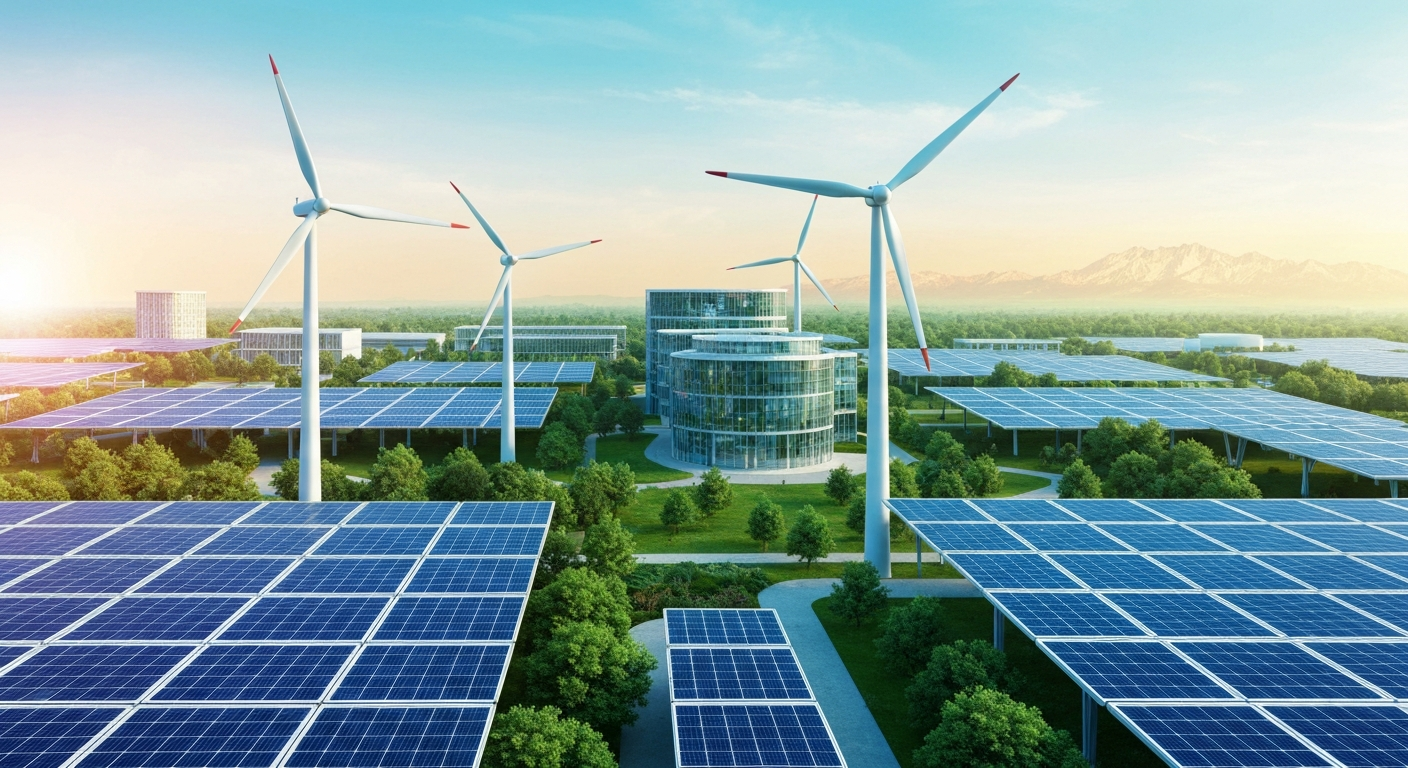
Offshore Wind Power: The UK has emerged as a global leader in offshore wind energy, boasting 25 GW of installed capacity by the end of 2025 (RenewableUK, Offshore Wind Report 2026). This makes it the world's largest offshore wind market. The vast potential of the North Sea is being harnessed to generate clean electricity and reduce reliance on imported fossil fuels. Further expansion is planned, with new wind farms being developed off the coasts of Scotland, England, and Wales.
-
Solar Power: Solar energy is also playing an increasingly important role in the UK's energy mix. The government aims to increase solar power capacity to 70 GW by 2035 (UK Energy Security Strategy, 2022, updated 2025). This will involve deploying solar panels on rooftops, commercial buildings, and solar farms across the country. Falling costs and technological advancements are making solar energy more accessible and affordable for both consumers and businesses.
-
Investment and Growth: Investment in renewable energy projects in the UK totalled £15 billion in 2025, a 12% increase compared to 2024 (Ernst & Young, Renewable Energy Country Attractiveness Index, 2026). This surge in investment is driving innovation, creating jobs, and accelerating the deployment of renewable energy technologies. The Climate Change Committee estimates that achieving Net Zero by 2050 will require annual investment in green energy and infrastructure to increase to £50 billion by 2030 (Climate Change Committee, Sixth Carbon Budget, 2020, updated 2024).
Why Green Energy Matters: Economic, Social, and Environmental Impacts
The transition to green energy in the UK has far-reaching implications for the economy, society, and the environment. Here's why it matters:
-
Economic Benefits: The green energy sector is creating new jobs in manufacturing, installation, and maintenance of renewable energy technologies. It's also reducing the UK's reliance on imported fossil fuels, improving energy security, and reducing exposure to volatile global energy markets. Furthermore, it stimulates innovation and attracts foreign investment.
-
Social Benefits: The transition to green energy is improving air quality in urban areas and reducing the health impacts of pollution. It's also creating opportunities for local communities to participate in renewable energy projects and benefit from clean energy generation. Increased energy independence can also lead to more stable energy prices for consumers.
-
Environmental Benefits: By reducing greenhouse gas emissions, green energy is helping to mitigate climate change and protect the environment. It's also reducing the environmental impacts of fossil fuel extraction and transportation. The shift towards renewable energy supports biodiversity and protects natural habitats.
Challenges and Future Outlook: Navigating the Path to Net Zero
While the UK has made significant progress in green energy, challenges remain in achieving its ambitious Net Zero targets. Here's a look at some of the key challenges and the future outlook for the sector:
-
Grid Infrastructure: The UK's electricity grid needs to be upgraded to accommodate the increasing amount of renewable energy being generated. This requires significant investment in new transmission lines, substations, and energy storage technologies. Addressing grid constraints is crucial to ensuring a reliable and affordable supply of clean energy.
-
Planning Processes: Streamlining planning processes for renewable energy projects is essential to accelerate deployment. Delays in obtaining planning permission can hinder progress and increase costs. The government needs to simplify regulations and provide clear guidance to developers.
-
Just Transition: Ensuring a just transition for workers in fossil fuel industries is critical. Retraining and reskilling programs are needed to help workers find new jobs in the green energy sector. The government needs to provide support and resources to help workers transition to new roles.
-
Expert Perspective:
The UK's commitment to green energy is commendable, but the pace of deployment needs to accelerate significantly to meet Net Zero targets. Streamlining planning processes and addressing grid infrastructure constraints are crucial to unlocking the full potential of renewables. - Dr. Emily Carter, Energy Policy Analyst at the Grantham Research Institute on Climate Change and the Environment
- Policy Certainty:
The falling costs of renewable energy technologies are making green energy increasingly accessible to consumers and businesses. However, government policies need to provide long-term certainty to encourage private investment and innovation in the sector. - Nigel Pocklington, CEO of Good Energy
The future of green energy in the UK looks promising, with continued growth expected in the coming years. Key developments to watch include the expansion of offshore wind capacity, the deployment of energy storage technologies, and the development of hydrogen as a clean energy source. The UK is also likely to see increased investment in smart grids and other infrastructure to support the integration of renewable energy into the electricity system.
Actionable Takeaways:
- Support Renewable Energy Policies: Advocate for policies that promote the development and deployment of green energy technologies.
- Invest in Green Energy Solutions: Consider investing in renewable energy projects or purchasing green energy from your supplier.
- Reduce Your Carbon Footprint: Take steps to reduce your energy consumption and adopt sustainable lifestyles.
By embracing green energy, the UK can create a cleaner, more sustainable, and prosperous future for all.
[Sources]
- Department for Energy Security and Net Zero (DESNZ) publications
- RenewableUK reports
- Climate Change Committee reports
- Energy Institute reports
- Financial Times energy sector coverage
- BBC News environment section