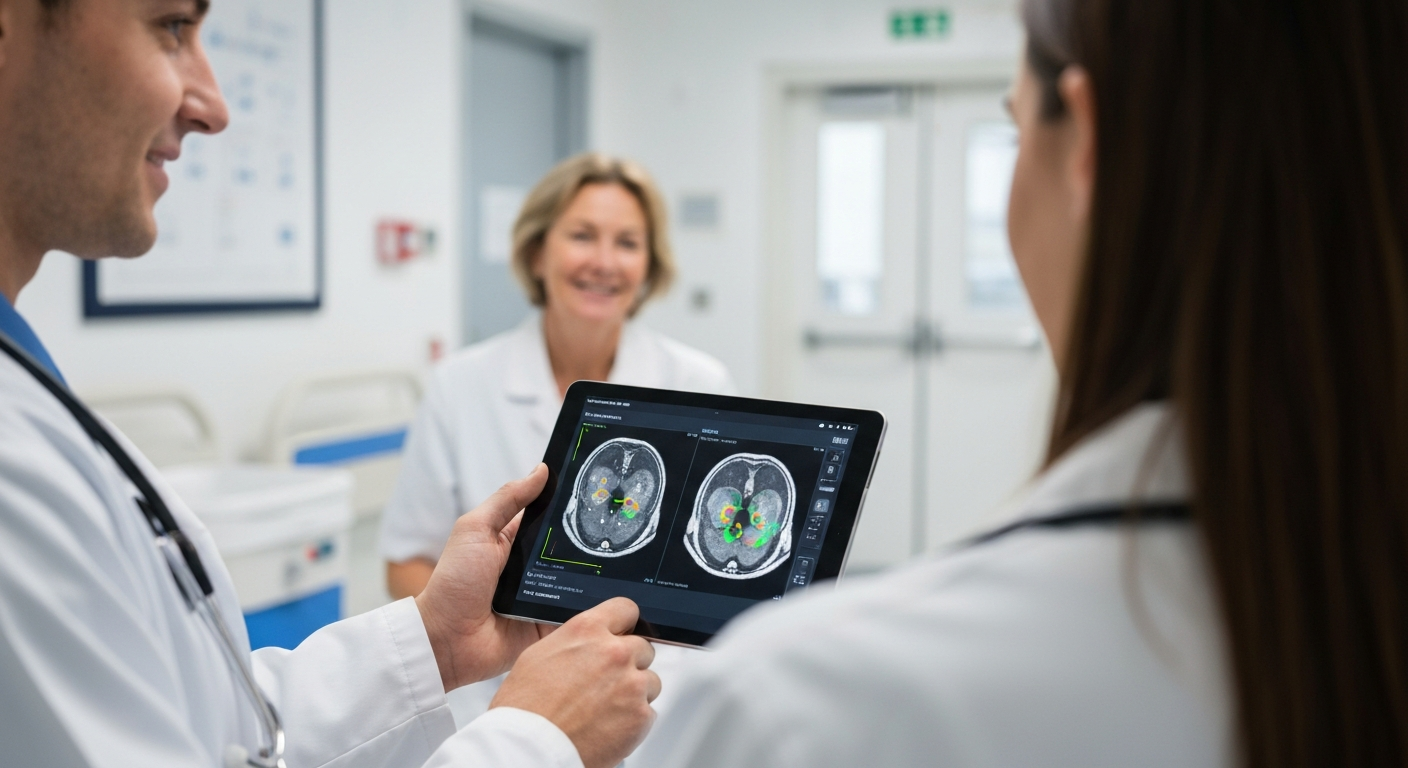
The National Health Service (NHS) in the United Kingdom is undergoing a significant transformation driven by advancements in artificial intelligence (AI). Facing unprecedented pressures from an aging population, rising patient demand, and persistent staffing shortages, the NHS is increasingly looking to AI to improve efficiency, enhance patient outcomes, and alleviate the strain on its resources. This AI-Driven NHS Overhaul is not just a technological upgrade; it's a fundamental shift in how healthcare is delivered, with profound implications for the UK's economy, society, and culture.
The Urgent Need for AI in the NHS
The challenges facing the NHS are well-documented. The NHS waiting list for elective procedures reached a record high of 8.3 million in February 2026, according to NHS England Performance Statistics. This staggering number underscores the urgent need for innovative solutions to streamline processes and improve patient flow. Furthermore, a 2025 report by the Royal College of Radiologists estimated a shortage of 33% in consultant radiologists across the UK. This shortage highlights the potential for AI-assisted diagnostics to alleviate the burden on overworked medical professionals and improve diagnostic accuracy.
AI offers a range of potential solutions, from automating administrative tasks to assisting with complex diagnoses and treatments. By leveraging AI, the NHS can free up valuable resources, reduce waiting times, and improve the quality of care for patients across the country. The UK government recognizes this potential and has committed significant funding to support the development and implementation of AI in healthcare. The UK government has allocated £250 million in funding for AI in Health and Care research and development over the next 5 years (2024-2029), according to a Department of Health and Social Care Budget Announcement. This investment signals a clear commitment to harnessing the power of AI to transform the NHS.
AI in Action: Early Successes and Promising Applications
While the AI-driven NHS overhaul is still in its early stages, several pilot programs have already demonstrated the potential of AI to improve healthcare delivery. For example, a pilot program using AI to triage patients in emergency departments resulted in a 15% reduction in average waiting times, according to a study published in the British Medical Journal (BMJ) in October 2025. This demonstrates the potential of AI to streamline patient flow and ensure that those who need immediate attention receive it promptly. Other promising applications of AI in the NHS include:
- AI-assisted diagnostics: AI algorithms can analyze medical images, such as X-rays and CT scans, to identify potential abnormalities and assist radiologists in making accurate diagnoses. This can lead to earlier detection of diseases, such as cancer, and improved patient outcomes.
- Personalized medicine: AI can analyze patient data, including genetic information and lifestyle factors, to develop personalized treatment plans that are tailored to each individual's unique needs. This can lead to more effective treatments and fewer side effects.
- Drug discovery: AI can accelerate the drug discovery process by identifying potential drug candidates and predicting their effectiveness. This can lead to the development of new treatments for diseases that are currently difficult to treat.
- Administrative automation: AI can automate many of the administrative tasks that currently consume a significant amount of time for healthcare professionals. This can free up valuable time for them to focus on patient care.
> "AI has the potential to revolutionize healthcare delivery in the UK, but it's crucial that we prioritize ethical considerations, data security, and workforce training to ensure that these technologies are used responsibly and effectively," said Dr. Emily Carter, Chief Medical Officer, NHS AI Lab, at the AI in Healthcare Conference in London, March 2026.
Challenges and Considerations
Despite the immense potential of AI to transform the NHS, there are also several challenges and considerations that need to be addressed. One of the most pressing concerns is data privacy. The use of AI in healthcare requires access to vast amounts of patient data, and it is crucial to ensure that this data is protected from unauthorized access and misuse. The NHS must implement robust data security measures and adhere to strict ethical guidelines to maintain public trust.
Another concern is the potential for algorithmic bias. AI algorithms are trained on data, and if this data is biased, the algorithms may perpetuate and even amplify these biases. This could lead to unequal access to healthcare and discriminatory outcomes. It is crucial to ensure that AI algorithms are trained on diverse and representative datasets and that they are regularly audited to identify and mitigate potential biases.
Furthermore, the integration of AI into the NHS will require significant investment in infrastructure and workforce training. Healthcare professionals need to be trained on how to use AI tools effectively and how to interpret the results they generate. The NHS also needs to invest in the necessary infrastructure to support the deployment of AI technologies.
> "While AI offers significant opportunities to improve efficiency and reduce costs within the NHS, it's important to recognize that it's not a silver bullet. Successful implementation will require careful planning, investment in infrastructure, and a willingness to adapt existing workflows," said Professor David King, Professor of Health Economics, University of Oxford, in an article published in The Lancet, February 2026.
A survey conducted by Ipsos MORI in January 2026 found that 62% of UK adults support the use of AI in healthcare, provided that patient data is protected and human oversight is maintained. This highlights the importance of addressing public concerns about data privacy and ensuring that AI is used in a responsible and ethical manner.
The Future of AI in the NHS
The future of AI in the NHS is likely to involve further integration of AI-powered tools into various aspects of healthcare, from diagnostics and treatment to administrative tasks and patient monitoring. We can expect to see increased investment in AI research and development, as well as the development of new regulatory frameworks to govern the use of AI in healthcare. Personalized medicine, driven by AI analysis of patient data, is likely to become more prevalent.
Looking at comparable cases, Canada has invested heavily in AI-powered diagnostic tools for cancer screening, with early results showing promising improvements in diagnostic accuracy. Singapore has implemented AI-powered chatbots to provide patients with personalized health advice, which have been well-received. Estonia's national e-health system uses AI to analyze patient data and identify potential health risks, improving healthcare efficiency.
However, challenges remain, including ensuring data security, addressing ethical concerns, and managing the workforce transition. The success of the AI-driven NHS overhaul will depend on collaboration between government, healthcare providers, technology companies, and the public. By addressing these challenges and embracing the potential of AI, the NHS can transform healthcare delivery and improve the health and well-being of the UK population.
[Sources]
- NHS England website
- Department of Health and Social Care website
- British Medical Journal (BMJ)
- The Lancet
- Royal College of Radiologists reports
- Ipsos MORI public opinion polls
- AI in Healthcare conferences and publications
- TechUK reports on AI in healthcare