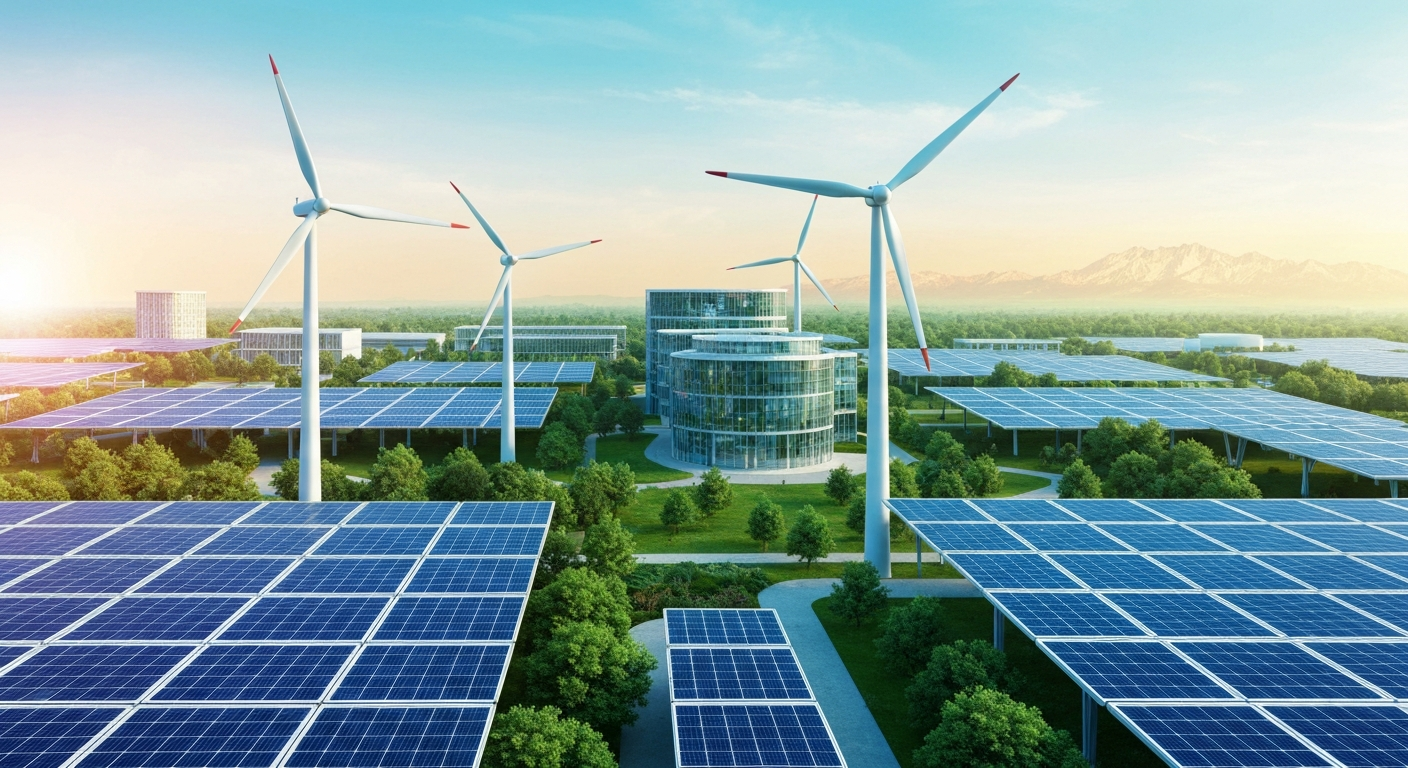
Are you wondering about the future of solar power in Australia? You're not alone. With ambitious renewable energy targets and increasing concerns about climate change, "Aussie solar power future" is a hot topic. This in-depth report dives into the current state, impacts, and future outlook of solar energy in Australia.
Executive Summary: Australia's solar power future is incredibly bright. The country is well on its way to achieving its renewable energy targets, driven by decreasing costs, supportive policies, and growing environmental awareness. While challenges remain, such as grid infrastructure upgrades and managing the transition for fossil fuel workers, solar power is poised to become the dominant source of electricity in Australia.
The Rise of Solar Power in Australia
Australia is experiencing a solar energy boom. Several factors contribute to this surge:
- Ambitious Renewable Energy Targets: The Australian government aims to reach 82% renewable energy by 2030, with solar power expected to contribute the largest share (Australian Department of Climate Change, Energy, the Environment and Water, 2025).
- Decreasing Costs: The cost of solar power in Australia has plummeted by over 85% in the last decade (2016-2026), making it increasingly competitive with traditional energy sources (Australian Renewable Energy Agency (ARENA), 2026).
- Government Incentives: Various government incentives and policies promote solar energy adoption for both residential and commercial consumers.
- Environmental Concerns: Growing awareness of climate change and the environmental impact of fossil fuels is driving demand for sustainable energy solutions.
As of March 2026, over 35% of Australian households have rooftop solar panels installed (Clean Energy Regulator, 2026). Large-scale solar farms generated 15% of Australia's total electricity in 2025 (Australian Energy Market Operator (AEMO), 2025). Investment in solar energy projects reached $12 billion AUD in 2025 (BloombergNEF, 2025).
Why it matters: The transition to solar power is not just about reducing carbon emissions; it's about creating a more sustainable and resilient energy system for Australia. It's about empowering consumers, creating new jobs, and fostering a cleaner environment.
Impact and Challenges of Solar Power Adoption
The increasing adoption of solar power is having a profound impact on Australia:
-
Economic Impact: Solar energy is creating new jobs in manufacturing, installation, and maintenance. It is also attracting foreign investment in renewable energy projects. Kane Thornton, Chief Executive of the Clean Energy Council, notes:
"The rapid growth of solar energy in Australia is transforming our energy landscape. We are seeing a shift towards a decentralized, renewable energy system that empowers consumers and creates new economic opportunities." (Clean Energy Council Annual Report, 2025)
-
Social Impact: Solar power empowers consumers to generate their own electricity, reducing their reliance on traditional energy providers and lowering their energy bills. This is particularly beneficial for low-income households and rural communities.
-
Cultural Impact: It fosters a greater awareness of environmental issues and promotes a more sustainable lifestyle. New homes and buildings are increasingly incorporating solar panels and energy-efficient technologies.
However, challenges remain:
-
Grid Infrastructure: Significant investment in grid infrastructure is needed to ensure reliability and stability, as Dr. Anna Bruce, Energy Policy Expert at UNSW, points out:
"Australia is uniquely positioned to become a global leader in solar energy... However, significant investment in grid infrastructure and energy storage is crucial to ensure reliability and stability." (Australian Financial Review Energy Summit, 2026)
-
Energy Storage: Improved battery storage solutions are essential to address the intermittent nature of solar power.
-
Transition for Fossil Fuel Workers: Addressing the social and economic impacts on communities reliant on fossil fuel industries is crucial for a just transition.
The Future Outlook: Solar Dominance by 2040
The future of solar power in Australia looks incredibly promising. Predictions suggest that solar power will become the dominant source of electricity in Australia by 2040.
- Technological Advancements: Improved battery storage, more efficient solar panels, and smart grids will further enhance the competitiveness of solar energy.
- Virtual Power Plants: The development of virtual power plants will play a crucial role in integrating solar power into the national energy system.
- Export Opportunities: Australia is exploring opportunities to export solar energy to neighboring countries through undersea cables, potentially transforming the country into a renewable energy superpower.
Comparable cases from other countries, such as Germany's Energiewende, California's renewable energy targets, and Denmark's investment in wind power, offer valuable lessons for Australia's solar energy transition. These cases highlight the importance of addressing grid stability, energy storage, and the integration of various renewable energy sources.
Actionable Takeaways:
- For Consumers: Consider installing rooftop solar panels to reduce your energy bills and contribute to a more sustainable future. Explore government incentives and financing options.
- For Businesses: Invest in solar energy projects to reduce your carbon footprint and improve your bottom line. Explore opportunities for innovation in solar technology and energy storage.
- For Policymakers: Continue to support the development of solar energy through policies and incentives. Invest in grid infrastructure and energy storage to ensure reliability and stability. Facilitate a just transition for workers in traditional energy industries.
In conclusion, the Aussie solar power future is bright, but it requires continued investment, innovation, and collaboration to realize its full potential.
[Sources]
- Australian Department of Climate Change, Energy, the Environment and Water
- Clean Energy Regulator
- Australian Renewable Energy Agency (ARENA)
- Australian Energy Market Operator (AEMO)
- Clean Energy Council
- BloombergNEF
- Australian Financial Review